Herniated Disc Treatment in Tijuana
- Home
- Spine Surgery
- Herniated Disc
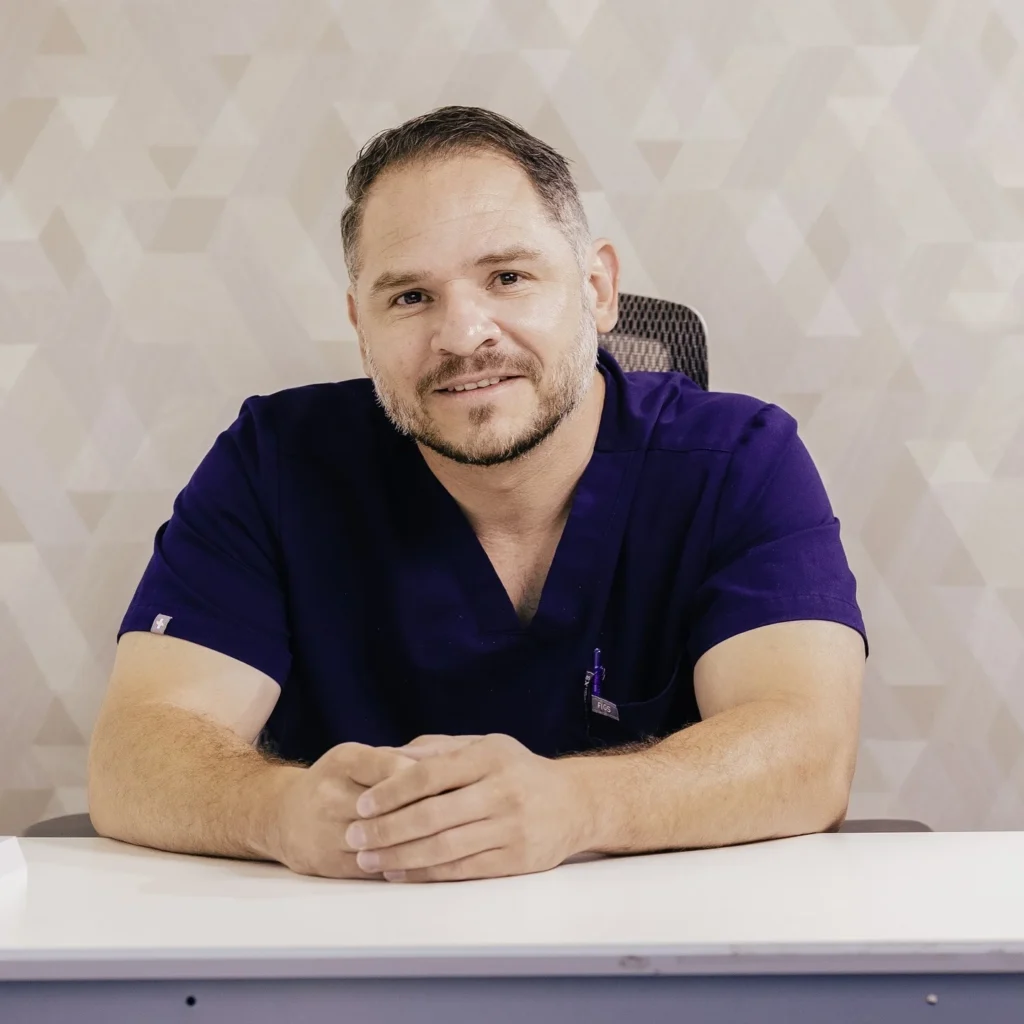
A herniated disc does not always mean surgery. Dr. Francisco Javier Cisneros Oliva, an orthopedic spine surgeon in Tijuana, starts with the simplest treatment that can work, and when the disc needs to come out, he removes it with endoscopic, minimally invasive surgery.
What Is a Herniated Disc?
Your spinal discs are the cushions between the vertebrae. Each one has a tough outer ring and a soft, gel-like center. When the ring wears or tears, part of the center can push out (herniate) and press on a nearby nerve. That is what causes the pain, and often the numbness or weakness, that travels into a leg or an arm. Herniated discs happen most often in the lower back (lumbar) and the neck (cervical). You may also hear them called a slipped, ruptured or bulging disc.
How Dr. Cisneros approaches it
Most herniated discs improve within weeks to a few months with the right conservative care. Dr. Cisneros matches your symptoms to your MRI, explains what is happening, and only recommends surgery when pain persists, or when the nerve is losing strength or sensation. When it is needed, endoscopic disc surgery removes only the fragment that is pressing on the nerve.
Herniated Disc Symptoms
Symptoms depend on where the disc is and which nerve it touches. These are the most common:
Back or Neck Pain
Deep pain in the lower back or neck that gets worse when you bend, lift, sit for a long time, cough or sneeze.
Sharp, shooting pain that follows a nerve into the buttock and leg (sciatica) or into the shoulder and arm.
Numbness and Tingling
Pins and needles or loss of feeling in part of the leg, foot, arm or hand, depending on which nerve is pinched.
Muscle Weakness
Weakness in the leg or arm, such as trouble lifting the foot, climbing stairs or gripping objects.
Pain When Sitting
Sitting puts more pressure on the lower discs, so many patients feel worse in the car or at a desk, and better when walking.
Stiffness and Limited Movement
Muscle spasm and stiffness that make it hard to bend, turn or straighten up.
Herniated Disc Treatment Options
Treatment goes step by step, from the least invasive option to surgery, based on how severe your symptoms are and how long they have lasted.
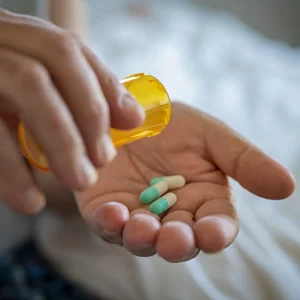
Anti-inflammatories, pain relievers and muscle relaxants to calm the pain and inflammation while the disc settles.
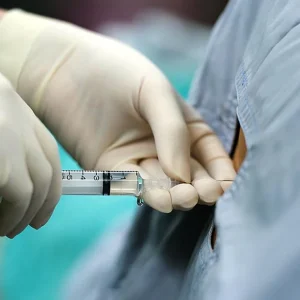
A steroid injected near the irritated nerve to reduce inflammation and relieve moderate to severe pain.
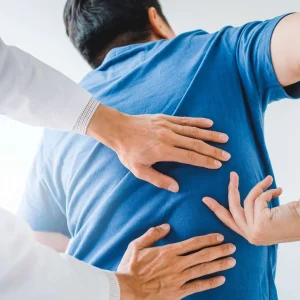
A guided exercise program to strengthen the core and back muscles, improve posture and take pressure off the disc.
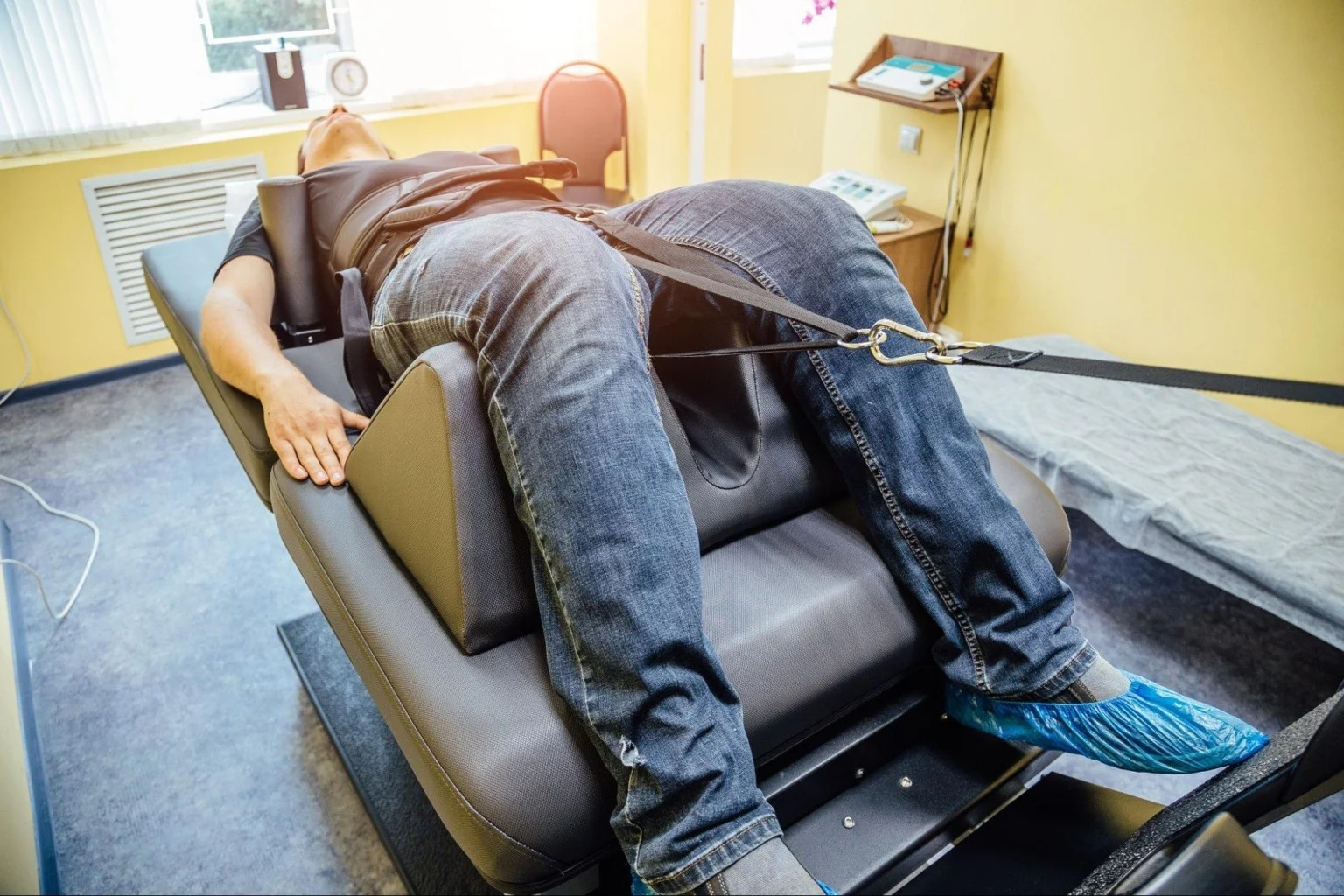
When a herniation comes with general disc wear (degenerative disc disease), the plan also focuses on protecting the spine long term.
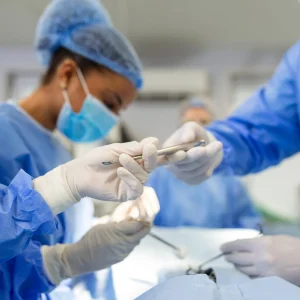
When pain persists or the nerve is losing function, endoscopic surgery or microdiscectomy removes the fragment pressing on the nerve.
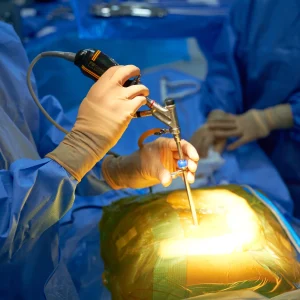
For more complex cases, such as an unstable spine, spinal fusion or disc replacement can restore stability and function.
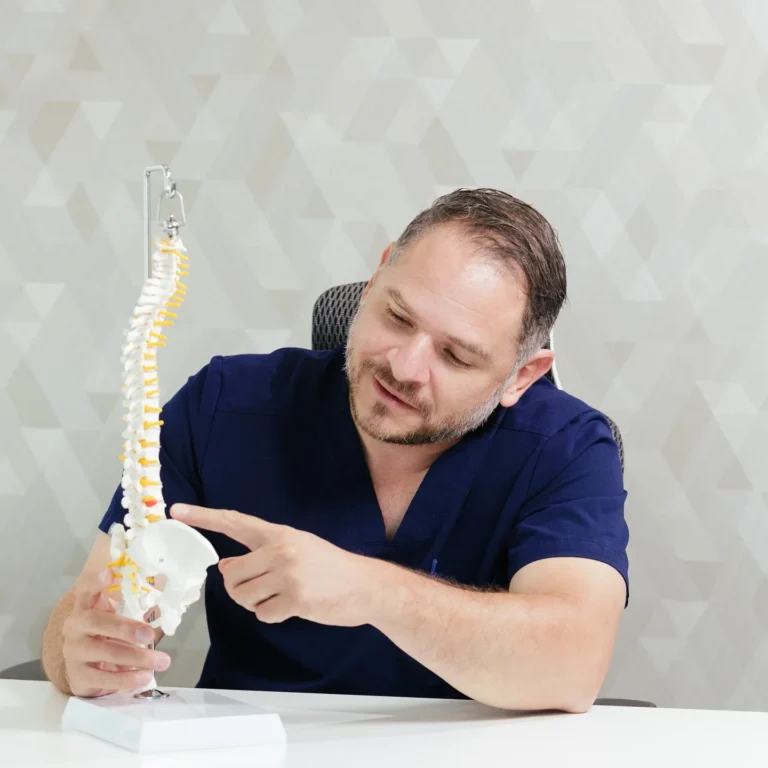
Your herniated disc specialist
About Dr. Francisco Javier Cisneros Oliva
Dr. Francisco Javier Cisneros Oliva is a board-certified orthopedic surgeon focused on the spine. He co-authored published research on how herniated discs and Modic changes are classified on MRI, and holds a master’s degree in endoscopic treatment of degenerative lumbar disease. He starts with the most conservative treatment that can work; when a disc needs to come out, he offers endoscopic, minimally invasive surgery.
- Board-certified by the CMOTMexican Council of Orthopedics and Traumatology
- Published spine researchDisc herniation on MRI · Coluna/Columna, 2015
- Master’s in lumbar endoscopyLESS Invasiva Academy
- Specialty license 12294474Orthopedics and Traumatology, Mexico
Full credentials and trainingShow less
Licenses and board certification
- Medical license (Médico Cirujano y Partero, Mexico): 7301097
- Specialty license (Orthopedics and Traumatology): 12294474
- Current board certification: Consejo Mexicano de Ortopedia y Traumatología, A.C. (CMOT), certificate No. 14/5900/21
Verify his licenses in Mexico’s national registry of professionals (SEP, in Spanish)
Education and training
- Medical degree. Universidad de Guadalajara.
- Residency in Orthopedics and Traumatology. High Specialty Medical Unit (UMAE), National Medical Center of the West (CMNO), IMSS, Guadalajara, Jalisco, accredited by the Universidad de Guadalajara (March 1, 2012 – February 29, 2016).
- International training stay. Clínica CEMTRO, Madrid, Spain (November 1 – December 31, 2015).
- Spine surgery training. National Medical Center of the West (CMNO), IMSS, Guadalajara, Jalisco.
- Training in minimally invasive and endoscopic spine surgery. LESS Invasiva Academy.
- Master’s in Endoscopy for Degenerative Lumbar Spine Disease. LESS Invasiva Academy.
Professional experience
- Physician in charge of the Spine Module. Regional General Hospital No. 46, IMSS, Guadalajara, Jalisco.
- Private practice. New City Medical Tower, 27th floor, Tijuana, Baja California, and Hospital Ángeles Andares, Zapopan, Jalisco.
Medical associations
- Mexican Society of Spine Endoscopy (SOMEEC)
- Jalisco College of Orthopedics (CMOJAL)
Publications
- López Arce Vivas E, Cisneros Oliva FJ, et al. “Application of a semiautomatic classifier for modic and disk hernia changes in magnetic resonance.” Coluna/Columna. 2015; 14(1): 18–22. DOI: 10.1590/S1808-1851201514010R121
Offices
- Tijuana: New City Medical Tower (Torre Médica), P.º del Centenario 9580, 27th floor, Zona Urbana Río, Tijuana, B.C. 22010, Mexico
- Zapopan: Hospital Ángeles Andares, Av. Patria 1355, 32nd floor, Office 3225, Mirador del Sol, Zapopan, Jal. 45116, Mexico
What Dr. Cisneros’s patients say
Patients with herniated discs, sciatica and lumbar stenosis have trusted Dr. Cisneros with their diagnosis and spine surgery, in Tijuana and from other cities. Reviews are translated from Spanish; the videos are in Spanish.
Google and Doctoralia reviews
Translated from Spanish. Tap “See original” to read any review as it was posted.
Excellent doctor. He operated on me (hip replacement) and to this day everything is excellent. His warmth and professionalism speak for themselves; he is attentive and answers all your questions. Excellent in every way, I highly recommend him. Thank you so much, doctor. Once again recommending Dr. Francisco Cisneros Oliva for his professionalism: I had surgery again for a lumbar fracture on November 21, 2024. Thanks to his experience and his commitment to his patients' health, I was able to get back to my activities and my quality of life has improved a lot. There is still a way to go, but he has all my respect: very attentive and, as a human being, an outstanding person. Thank you again, doctor, thank you so much...
Translated from Spanish ·
Excelente Dr. me opero ( protecis de cadera) y hasta el dia de hoy todo excelente su calides humana y su profecionalismo lo respaldan es atento y resuelve toda tus dudas excelente en todos los setidos los recomiendo ampliamente muchas graias Dr. Nevamente recomendando al Dr. Fracisco Cisneros Oliva por su amplio profecionalismo volvi a ser intervenido por una fractura lumbar en Noviembre 21/ 2024. Y gracias a su amplia experiencia y comprometido con la salud de sus pacientes pude retomar mi actividades a mi calidad de vida mejoro bastante a un falta camino por recorer pero mis respeto para su persona muy atento y ni se diga como ser humano excelentisima persona muchas gracias infinitas nuevamente Dr. Muchas muchas Gracias ...
I saw Dr. Cisneros for a herniated disc and loved the consultation. He was very respectful, kind and empathetic, listened carefully to my concerns and took the time to answer and explain every question in detail. He recommended non-invasive treatment first (medication and stretching/strengthening exercises) and will re-evaluate me in a few weeks to decide whether surgery is needed. If I do need surgery, he recommended a minimally invasive approach, which so far is the best option anyone has offered me. At every moment I felt the doctor put my well-being first, and I'm very grateful for that.
Translated from Spanish ·
Visité al Dr. Cisneros por una hernia de disco y me encantó la consulta. Fue muy respetuoso, amable y empático, escuchó atentamente mis preocupaciones y se tomó el tiempo de responder y explicar a detalle todas mis dudas. Recomendó tratamiento no invasivo como primera instancia (medicamentos y ejercicios de estiramiento/fortalecimiento) y volverá a evaluarme en unas semanas para determinar si es o no necesaria una cirugía. Asimismo, en caso de requerir cirugía, recomendó un abordaje mínimamente invasivo, el cual ha sido, hasta ahorita, la mejor opción que se me ha propuesto. En todo momento he sentido que el doctor ha puesto mi bienestar en primer lugar, por lo cual estoy muy agradecida.
My story: on February 8, 2022 I had surgery for a herniated disc. Dr. Cisneros always listened to me and understood my fear that I might not walk again. I spent the night of the surgery in the hospital and, just as he told me, everything went well. Thanks to God and the hands of Dr. Francisco Cisneros, the day after surgery I could walk, and all the pain I had when stepping, walking and sleeping was gone. He is an excellent doctor, very human in understanding your pain and very professional. 100% recommended. Thank you for being such a good doctor. My name is Consuelo Hernández.
Translated from Spanish ·
Mi testimonio es que en Febrero 8 del 2022 me hicieron una cirugía de Hernia de disco. El doctor Cisneros me escucho siempre y comprendía mis temores de tal vez no caminar. Esa noche de la cirugía pase en el Hospital y como me dijo Todo salió bien y gracias a Dios y las manos del doctor Francisco Cisneros y al otro día de la cirugía yo podía caminar y todos los malestares al pisar, caminar y para dormir se fueron. Es un excelente doctor, muy humano al comprender tus molestias y muy profesional. Recomendado al cien por ciento. Gracias por existir tan buenos doctores como el. Mi nombre Consuelo Hernández.
Cervical disc surgery. Two months ago I had surgery for a C6 cervical herniated disc with Dr. Francisco Cisneros. The process was very clear from the start: after I had all the necessary tests, he found the root cause of my chronic head, neck and shoulder pain, explained the condition and how it developed, and gave me the options so I could decide which was best. Then they scheduled my surgery at the hospital, and his team treated me wonderfully; everyone kept an eye on my recovery the whole time. My pain is gone and it's a huge relief to have the mobility I have today. Thank you, Dr. Cisneros, for your effort, work and care.
Translated from Spanish ·
Cirugía hernia cervical Dos meses atrás tuve una cirugía de hernia cervical C-6 con el doctor Francisco Cisneros, el proceso desde el principio fue muy claro, después que me hice todos estudios necesarios y detectó la causa raíz de mi dolor crónico de cabeza cuello y hombros, me explicó el padecimiento y como es que se generó, después de que me dio las opciones, pude decir cuál era la mejor, de ahí me agendaron cita para cirugía en el hospital, y l trato fue excelente con su equipo, todos estuvieron al pendiente de mi mejoría en todo momento. Mis problemas de dolor ya no los tengo y es un gran alivio tener la movilidad con la que cuento hoy. Gracias Dr. Cisneros por su esfuerzo, trabajo y atención.
It went very well with the doctor. I went on the recommendation of a friend whose surgery went very well. I have two lumbar herniated discs and had been told to have surgery. However, after seeing Dr. Francisco, his advice was not to operate, but to continue with therapy and keep taking care of the discs. After my visit I clearly understood my condition and what I need to do to avoid surgery. If I ever do need an operation, I would definitely have it with him.
Translated from Spanish ·
Me fue muy bien con el doctor. Lo visité por recomendación de un amigo que le fue muy bien en la cirujia. Tengo dos hernias lumbares y me habían recomendado operarme. Sin embargo después de visitar al doctor Francisco la sugerencia fue no operar, continuar con tratamientos de terapia y seguir cuidando las hernias. Después de mi visita , me quedó claro mi padecimiento y lo que tengo que hacer para evitar la cirujia. Si algún día me tengo que operar, sin duda lo haría con el.
I want to stress that I've been seen and diagnosed by Dr. Cisneros several times for back pain from sciatica, and once for a knee injury. Every time, the personal and friendly treatment was first-class. The medication he prescribed, along with the rehab he recommended, has greatly improved my quality of life. I trust him completely; he is a true professional.
Translated from Spanish ·
Me gustaría mencionar enfaticamente que he sido consultado y diagnosticado por el Doctor Cisneros en varias ocasiones por temas de dolor de espalda por la ciática y en una ocasión por lastimarme una rodilla. En todos los casos el trato personal y cordial siempre de primera. Además los medicamentos recetados junto con la rehabilitación que recomendó me han ayudado a mejorar enormemente mi calidad de vida. Confío ampliamente en él, es un profesional.
I came in with intense sciatic nerve pain that ran from my back down my leg. It was hard to bend over or sit; the pain was very strong and bothersome. With Dr. Francisco's treatment I improved enormously in just a day and a half. I highly recommend him, as the care was excellent at all times. He took all the time needed during the consultation and the follow-up, which I really appreciate.
Translated from Spanish ·
Llegué con un dolor intenso del nervio ciático, que se extendía desde la espalda hasta la pierna. Me costaba agacharme y sentarme; era un dolor muy fuerte y molesto. Con el tratamiento del Dr. Francisco, mejoré muchisimo en solo día y medio. Lo recomiendo mucho, ya que la atención fue excelente en todo momento. Se tomó el tiempo necesario durante toda la consulta y el seguimiento, lo cual valoro mucho.
Good afternoon, doctor. I send my greetings and thank you very much for my spine surgery more than four years ago. Even though the IMSS institute didn't have everything, you worked with what was available. I'm a very grateful patient, because I'm doing excellently. Many blessings and thank you again. Your patient, Raquel Ruiz Montañez, from Guadalajara, Jalisco, Mexico.
Translated from Spanish ·
Buenas tardes dr saludándole y agradezco mucho por la cirugía de. Columna hace más de cuatro años aún que en el instituto IMSS no tenía todo usted tomo lo que tenía a la mano y agradecerle pues soy una paciente muy agradecida. Por qué estoy excelente menté muy bien le envío muchas bendiciones y muchas gracias nuevamente su paciente Raquel Ruiz Montañez de Guadalajara Jalisco México
EXCELLENT SERVICE, VERY ATTENTIVE, EXCELLENT SURGERY, I'M DOING GREAT. VERY HAPPY WITH THE SERVICE FROM HIM AND HIS WHOLE TEAM. EXCELLENT SERVICE, I RECOMMEND HIM. IT'S BEEN A YEAR AND A HALF AND I FEEL GREAT.
Translated from Spanish ·
EXELENTE SERVICIO ,, MUY ATENTO , EXELENTE CIRUGIA HANDO MUY AGUSTO,, QUEDE MUY CONFORME CON EL SERVICIO DE EL Y TODO SU EQUIPO EXELENTE SERVICIO SE LOS RECOMIENDO TIENE UN AÑO Y MEDIO Y ME SIENTO GENIAL
Excellent care and professionalism. I had endoscopic surgery for a lumbar herniated disc, and from the first consultation the doctor gave me confidence and explained everything clearly. His experience shows; my recovery so far has been very good, and he was always attentive and caring. Highly recommended.
Translated from Spanish ·
Excelente atención y profesionalismo. Me realicé una cirugía de hernia lumbar por endoscopia y desde la primera consulta el doctor me brindó confianza, explicando todo con claridad. Su experiencia es evidente, la recuperación hasta ahora ha sido muy buena y el trato siempre fue atento y humano. Muy recomendable.
The doctor performed spine surgery on 3 lumbar vertebrae with severe compression. My recovery was excellent. Friendly, very professional, punctual with appointments and, most importantly, ethical.
Translated from Spanish ·
El Dr. realizó cirugía de Columna, 3 vértebras Lumbares con compresión severa. Mi recuperación fue excelente. Trato cordial, muy profesional, puntual en citas y lo más importante, ético.
Thanks to the treatment I received from Dr. Cisneros, I haven't needed surgery. I was diagnosed with a herniated disc a couple of years ago, and with his treatment the pain has gone away and surgery hasn't been necessary. Thank you and congratulations.
Translated from Spanish ·
Gracias al tratamiento recibido por el Dr Cisneros, no ha sido necesaria la cirugía, tengo hernia de disco diagnosticada hacer un par de años y debido al tratamiento el dolor se ha erradicado y no ha sido necesaria la cirugía. Gracias y felicitaciones.
Excellent doctor and team. He did endoscopic surgery on me 7 days ago. I couldn't even get out of bed; I had 2 lumbar herniated discs. The same day of my surgery I walked out of the hospital, and the pain was 100% gone. I highly recommend him 🙏🏻
Translated from Spanish ·
Exelente doctor y su equipo, me realizó una operación endoscopica ase 7 días, no podía ni levantarme de la cama tenía 2 hernias lumbares el mismo día de mi operación salí caminando del hospital se fue el dolor al 100%. Lo recomiendo ampliamente 🙏🏻
Excellent specialist, very thorough in his diagnoses and treatment, always available for any question. He performed successful spine surgery on me with a completely satisfactory recovery. Very professional, highly recommended.
Translated from Spanish ·
Excelente especialista muy minucioso en sus diagnósticos y tratamiento siempre accesible para cualquier duda o pregunta me realizó una cirugía de columna éxitosa con recuperación totalmente satisfactoria es muy profesional altamente recomendado
Excellent work by Dr. Cisneros and his team. He performed endoscopic spine surgery on me for a lumbar herniated disc. I'm very grateful because he followed my recovery and my whole process very closely.
Translated from Spanish ·
Excelente trabajo por parte del Dr. Cisneros y su equipo. Me realizó una cirugía de columna endoscópica por una hernia de disco lumbar que tenía. Estoy muy agradecida porque estuvo muy al pendiente de mi recuperación y durante todo mi proceso
Excellent explanation and care! My surgery went very well, and I'm very happy I chose Dr. Francisco.
Translated from Spanish ·
Excelente explicación y atencion! , mi cirugía resultó muy bien , estoy muy feliz por haber elegido al Dr. Francisco .
Excellent care from Dr. Cisneros. Very patient, he explains all my questions in detail, and his expertise inspires confidence.
Translated from Spanish ·
Excelente atención del Dr. Cisneros, muy paciente y explica a detalle todas mis dudas, su expertis genera confianza.
I went to Dr. Cisneros because I had a lumbar herniated disc. He performed minimally invasive endoscopic spine surgery and everything went excellently. He's a great doctor: very attentive, dedicated, kind and above all professional.
Translated from Spanish ·
Acudi con el doctor Cisneros por que tenia una hernia lumbar, lo cual me realizo una cirugía endoscopia mínimo invasiva de columna y todo salio exelente.Es un gran doctor muy atento, dedicado, amable y sobre todo profecional.
Excellent care from the doctor and the hospital! He performed minimally invasive surgery on me for a herniated disc. Everything went well and recovery was very fast. Having my surgery with him was without a doubt the best decision.
Translated from Spanish ·
Excelente atención por parte del Dr. y también del hospital !! Me realizo una cirugía de mínima invasión por una hernia discal , todo salió bien y la recuperación muy rápida, Sin duda fue la mejor decisión operarme con el .
Excellent doctor, very caring and professional. I suffered from a herniated disc, and after the minimally invasive treatment I was able to get back to exercise and sports. I have my quality of life back. Thank you very much.
Translated from Spanish ·
Excelente médico, trato muy humano y profesional, sufrí por una hernia de disco y despues del tratamiento de mínima invasión, logré retomar la actividad física y hacer deporte. Volví a tener calidad de vida. Muchas gracias.
Dr. Francisco is an excellent surgeon and person. He helped me and explained everything before and during my herniated disc surgery, and he always kept an eye on my recovery after the operation!
Translated from Spanish ·
El Dr. Francisco es un excelente cirujano y persona me ayudo y explico todo previo, durante el proceso de mi cirugía de hernia de disco y siempre estuvo al pendiente de recuperación después de operarme!
Thanks to the cervical spine surgery performed by Dr. Cisneros, today I have a better quality of life. I appreciate his excellent care before and after surgery. 100% recommended.
Translated from Spanish ·
Gracias a la intervención quirúrgica de columna cervical realizada por el Doc. Cisneros hoy tengo mejor calidad de vida y agradezco su excelente atención pre y pos operatoria recomendado al 100 %
Five years ago I injured my spine and had herniated discs at L4-L5 and L5-S1. Dr. Francisco Cisneros handled my case and performed the surgery. I highly recommend him. Excellent doctor.
Translated from Spanish ·
Yo hace 5 años me lesione mi columna y tú ve hernia de disco l4 l5 l5 S1 y el doc Francisco cisneros fue el que llevo mi caso y realizó la cirugía. Lo recomiendo altamente Excelente doctor.
I highly recommend Dr. Francisco Cisneros. Good care, good communication, very professional, and most importantly he solved my problem (L5-S1 herniated disc). 5 ⭐️
Translated from Spanish ·
Recomiendo ampliamente al dr Francisco cisneros , buena atencion ,buena comunicacion , muy profecional , y lo mas importante le dio solucion a mi problema ( hernia discal L5 S1 ) 5 ⭐️
Dr. Cisneros treated my mother-in-law with spine surgery. It was endoscopic, minimally invasive surgery. His care was very professional and kind, with excellent results.
Translated from Spanish ·
El Doctor Cisneros atendió a mi suegra de cirugía de columna, la cirugía fue endoscopica y mínimamente invasiva , su atención fue muy profesional , amable y con excelentes resultados.
I want to thank Dr. Francisco Cisneros for the care he gave us at my consultation for severe back pain from a herniated disc... Thank you very much, Dr. Cisneros.
Translated from Spanish ·
Quiero agradecer al Dr.Francisco Cisneros por la atención que nos brindo en la consulta que tuve con el,por un fuerte dolor de espalda por hernia....muchas gracias Doctor Cisneros.
Dr. Cisneros diagnosed me with a herniated disc and explained it really well. With the treatment the pain went away and I didn't need an operation. Highly recommended 😀
Translated from Spanish ·
El Dr. Cisneros me diagnosticó hernia de disco, y la verdad me explicó super bien, con el tratamiento se me quitó el dolor y no fué necesaria la operación, muy recomendado 😀
Incredible care for back pain, with excellent follow-up and attention. He also treated a family member for a herniated disc and everything was excellent too.
Translated from Spanish ·
Increible trato, por un dolor de espalda excelente seguimiento y atención. Trató a un familiar por hernia de disco y también todo estuvoi excelente.
Excellent service from Dr. Francisco Cisneros. He gave my son a lumbar spine injection with very good results; he's still pain-free.
Translated from Spanish ·
Exelente servicio del Dr Francisco Cisneros le iso una infiltración de columna lumbar a mi hijo con muy buenos resultados aún sigue sin dolor
Dr. Cisneros helped me so much. I went for a herniated disc and he got rid of the pain completely, without surgery.
Translated from Spanish ·
El Doctor Cisneros, me ayudo muchísimo, ya que fui por una hernia de disco y me quito el dolor por completo sin necesidad de cirugía.
A very good doctor. He performed endoscopic lumbar disc surgery on my dad and the results were excellent. 100% recommended.
Translated from Spanish ·
Muy buen doctor, realizo operación de disco lumbar por endoscopia a mi papá y fueron excelentes los resultados, 100% recomendado.
Recommended. I had severe back pain and his diagnosis was spot-on; it took away the pain I'd had for days.
Translated from Spanish ·
Recomendado, tenía un fuerte dolor de espalda y su diagnóstico fue muy acertado, quitándome el dolor que por días había tenido.
Excellent doctor. I had lower back pain; he prescribed medication and exercises, which helped a lot, and the pain went away.
Translated from Spanish ·
Excelente Doctor, tenía dolor de espalda baja, me recetó medicamento y ejercicios, me ayudó bastante, se fue el dolor.
Highly recommend Dr. Cisneros 👌🏽 A few months ago I hit the little toe on my right foot. The pain was intense, my foot swelled up to the instep and the whole toe turned black and blue. Ten days later the pain still hadn't gone away, so I got an X-ray, and the report said my toe was fine. My general doctor suggested seeing an orthopedic specialist, and Dr. Cisneros was the one who confirmed it was a fracture of the little toe. He had me wear an orthopedic sandal for three weeks; no surgery or anything else was needed. As an orthopedic trauma specialist he could tell it was a fracture even though the X-ray report said otherwise. He is very approachable and I can always ask him for advice. I recommend him.
Translated from Spanish ·
Altamente recomendado el doctor Cisneros👌🏽 Hace meses me golpie el dedo chiquito del pie derecho, el dolor era intenso, se me hincho hasta el empeine y moretón negro todo alrededor del dedo, pasaron 10 días y el dolor no se me quitaba por lo cual me hice rayos X, el lugar donde me hice los rayos X arrojaba que todo estaba bien con mi dedo, pero el médico general me sugirio consultar con un traumatólogo experto en el tema , y el doctor Cisneros fue el que comprobó que era una fractura del dedo chico, me sugirió utilizar huarache ortopédico por tres semanas, no fue necesaria cirugía ni nada. Como traumatólogo y experto en fracturas pudo determinar que era una fractura aunque los rayos x decían lo contrario. Es un doctor muy accesible con el cual puedo consultar y me asesora. Lo recomiendo.
I want to express my sincere thanks for the care I received from Dr. Cisneros at my recent visit for severe knee pain, after a very hard fall that knocked the cartilage out of place. From the first moment, Dr. Cisneros showed a high level of professionalism and empathy. The way he listened to my concerns and his attention to detail made me feel I was in good hands. He also explained the diagnosis and treatment options clearly, which gave me confidence in the process. I strongly recommend Dr. Cisneros to anyone who needs orthopedic care.
Translated from Spanish ·
Quiero expresar mi sincero agradecimiento por la atención que recibí del Dr. Cisneros durante mi reciente consulta por un fuerte dolor en la rodilla, ya que tuve una caida muy fuerte y el cartilago se salio de su sitio. Desde el primer momento, el Dr. Cisneros demostró un alto nivel de profesionalismo y empatía. Su capacidad para escuchar mis preocupaciones y su atención al detalle me hicieron sentir en buenas manos. Además, me explicó claramente el diagnóstico y las opciones de tratamiento, lo que me brindó confianza en el proceso. Recomiendo encarecidamente al Dr. Cisneros a cualquier persona que necesite atención ortopédica.
Very good experience and excellent service, very kind people. I would recommend him 100%, and the ankle arthroscopy he performed was excellent. The care before the surgery was also excellent: he answered my questions and gave me a clear picture of what the surgery would involve. After the surgery the treatment was excellent too, with perfect attention and constant follow-up of my progress and recovery. Excellent.
Translated from Spanish ·
Experiencia muy buena y exelente servicio muy amable la gente lo recomendaría 100% y el trabajo de cirugía de astrosxopia detobillo elaborado fUE exelente. Y agregarle la atención que tuve antes de l cirugía fue exelente resolviendo mis dudas y dándome un claro ejemplo de loque se llevaría en la cirigia anexo que también después dela cirugía el trato fue exelente y la atención perfecta sentado al pendiente a cada momento de mi avance y recuperación. Exelente
In December 2021 I broke my tibia and fibula, and the intramedullary nail surgery was a complete success, as was the recovery support I had with Dr. Cisneros. I was afraid I wouldn't get my normal mobility back or would be left with some lasting problem, and it was the opposite: I got back to sports and daily life very quickly and without any complications. Thank you so much, Dr. Cisneros.
Translated from Spanish ·
En diciembre de 2021 sufrí una fractura de tibia y peroné y la cirugía de clavo intramedular fue todo un éxito así como el acompañamiento de recuperación que tuve con el Dr. Cisneros Tuve miedo de ya no recuperar mi movilidad normal o que tuviera alguna secuela y ha sido todo lo contrario, regresé a mi vida deportiva y cotidiana en muy corto tiempo y sin complicación alguna Muchas gracias Dr. Cisneros
Francisco Cisneros really is an excellent doctor. A little over 4 years ago he operated on my hip. He explained the procedure in detail and gave me a choice of hospitals. He has a great team, from the anesthesiologist to the nurses. He put in my implant and to this day he keeps an eye on it: I send him an X-ray every year and he gives me instructions to take care of it. I'm very grateful.
Translated from Spanish ·
Francisco Cisneros En realidad es un excelente doctor, Hace poco más de 4 años que me operó la cadera, me explico a detalle el procedimiento de la cirugía y me dió opciones de hospital , tiene un gran equipo, desde anestesiólogo y enfermeras me puso prótesis y hasta la fecha está al pendiente de mi prótesis Mandándole radiografía cada año y dando instrucciones para cuidarla Estoy muy agradecido
I highly recommend Dr. Cisneros. My son came in with a torn anterior cruciate ligament (ACL); he did a ligament graft and a meniscus repair. It was minimally invasive surgery, and after almost three weeks my son was already walking. The doctor and his team did a great job with his surgery. He is a very caring, committed and professional doctor.
Translated from Spanish ·
Recomiendo ampliamente al dr Cisneros, mi hijo llego con rotura de ligamento anterior cruzado, le realizó injerto de ligamento y reparación de menisco, fue una cirugía no invasiva y al cabo de casi tres semanas mi hijo ya estaba camiando, él Doctor y su equipo hicieron una gran labor en su cirugía, es un Doctor muy humano, comprometido y profesional.
I highly recommend Dr. Paco Cisneros. He sees you, explains and helps with any questions you have. He operated on my hip for severe hip arthritis, and honestly it went very well. Very grateful to him and his team.
Translated from Spanish ·
Recomiendo ampliamente al Dr Paco Cisneros, atiende explica y te ayuda con cualquier duda que tengas, a mi me opero de mi cadera con coxartrosis severa y la verdad me fue muy bien, Muy agradecido con el y su equipo de trabajo
I want to thank Dr. Francisco Cisneros for his great care and excellent treatment. I'm very grateful because, thanks to him, I'm recovering well: he operated on my fracture and today my recovery is going excellently. I highly recommend him. A thousand thanks.
Translated from Spanish ·
Le quiero agradecer al doctor Francisco cisneros su gran atención y su excelente trato hacia mi persona me siento muy agradecido ya que gracias a Él tengo una buena recuperación ya que me ya quemé intervino quirúrgicamente de mi fractura y hoy me recupero excelentemente lo recomiendo excelentemente mil gracias
Dr. Francisco is very attentive, kind, professional, wonderful with patients and excellent at his work. My father-in-law's surgery (knee replacement) went very well and I highly recommend him! He followed up and answered every question that came up, even over time. An excellent person!
Translated from Spanish ·
El doctor Francisco es muy atento, amable, profesional, de excelente trato y excelente en su trabajo, todo salió muy bien con la cirugía de mi suegro (de prótesis de rodilla) y lo recomiendo ampliamente! Nos dio el seguimiento y fue atendiendo cada duda que surgía, aún con el tiempo. Excelente persona!
Ankle fracture. Excellent care and service from Dr. Fco Cisneros, always attentive to my recovery and progress, from day one until a few days ago, 6 months after my surgery, answering any question or concern about my surgery and recovery.
Translated from Spanish ·
Fractura de tobillo Una excelente atencion y servicio por parte del doctor Fco Cisneros siempre atento a mi recuperacion y avances. Desde el dia uno hasta hace unos dias despues de 6 meses de mi cirugia atento cualquier pregunto inquietud relacionada con mi cirugia-recuperacion.
A few years ago I had a hip procedure with Dr. Francisco Cisneros. The way he treated me was, and still is, very good 👌 My surgery and everything went perfectly, far exceeding my expectations, with no problems. I highly recommend him.
Translated from Spanish ·
Hace algunos años me realicé un procedimiento de cadera con el Dr. Francisco Cisneros, mi experiencia en cuestión de trato fue y sigue siendo muy buena 👌 mi cirugía y todo salio perfecto superando por mucho mis expectativas y sin problemas lo recomiendo ampliamente
Wonderful doctor. After my joint replacement surgery everything is perfect. Excellent professional, very attentive and he answers all your questions. I recommend him.
Translated from Spanish ·
Magnifico Dr. Despues de mi operacion de protecis todo perfecto excelente profecional muy atento y resuelve todas tus dudas lo recomiendo
I had excellent care on the day of my operation for a collarbone broken in a motorcycle accident. I'm now recovering, with every sign that it will heal perfectly. Thank you very much, recommended 🤙🏼
Translated from Spanish ·
Tuve una excelente atención el día de mi operación, fue una clavícula rota causada por un accidente en moto y ahora me encuentro en recuperación, con excelentes indicios de estar en perfectas condiciones, muchas gracias, servicios recomendados 🤙🏼
Excellent service. He treated my mother-in-law and treated her very well. Besides being professional, he was patient the whole time answering all our questions. We couldn't have found a better orthopedic doctor for my mother-in-law's knee!
Translated from Spanish ·
Excelente servicio, trató a mi suegra y la trató muy bien, aparte de profesional, en todo momento tuvo paciencia para responder todas las preguntas que teníamos, no pudimos encontrar mejor traumatólogo para la rodilla de mi suegra!
Excellent evaluation for a right knee replacement. Surgery is needed. I highly recommend him.
Translated from Spanish ·
Excelente valoración sobre prótesis de rodilla derecha. Se necesita cirugía. Lo recomiendo ampliamente
Dr. Francisco Cisneros operated on my collarbone a few years ago. He's very professional in the operating room, and to this day my collarbone hasn't given me any problems. I highly recommend the best orthopedic trauma surgeon, Dr. Cisneros.
Translated from Spanish ·
El Dr. Francisco Cisneros me realizo una cirugía de clavícula hace unos años , es muy profesional en el quirófano a la fecha mi clavícula no me ha dado problemas , recomiendo ampliamente al mejor Traumatologo Dr. Cisneros
Excellent care and immediate relief. I had shoulder pain that kept me from moving it; he gave me an injection and it fixed the problem for good. It hasn't come back, thanks to Dr. Cisneros. Alejandro Michel
Translated from Spanish ·
Excelente atención y alivio inmediato, sufrí de dolor de hombro que no me permitía moverlo, me infiltró y el remedio fue definitivo, no he vuelto a sufrir, gracias al doctor Cisneros, Alejandro Michel
Very professional, excellent work and excellent results.
Translated from Spanish ·
Todo muy profesional, excelente trabajo y excelentes resultados
All good with the hip replacement Dr. Cisneros did almost a year ago. A very good surgeon: the pain is gone and I walk better. Excellent doctor.
Translated from Spanish ·
Todo bien con la prótesis de cadera ,que el doctor Cisneros me operó ya casi un año , muy buen médico cirujano ,se me quitó el dolor y camino mejor , excelente médico
Very good care, very kind people, the doctor very attentive, with an excellent evaluation. My mother went for a wrist fracture. Recommended 👌🏽
Translated from Spanish ·
Muy Buena Atención, muy amables , el Doctor muy atento y una Exelente atencion y Valoración , mi Madre hiba por una fractura de Muñeca ..Recomendado👌🏽
Excellent doctor. My two-and-a-half-year-old daughter had a fracture, and the doctor was spot-on with his diagnosis and follow-up... Highly recommended.
Translated from Spanish ·
Excelente doctor, mi niña de dos años y medio sufrió una fractura, y el doctor fue muy certero con su diagnóstico y seguimiento... Super recomendado
Excellent service, very attentive doctor. I took my mother-in-law with knee pain and it went very well. Highly recommended 💫
Translated from Spanish ·
Excelente servicio, doctor muy atento lleve ami suegra con dolor de rodillo y salió muy bien , súper recomendable 💫
Excellent service and evaluation. Very good follow-up on the surgery and rehab, with very detailed explanations; they answered every question I had, offering excellent service and making every visit before and after surgery more reassuring and comfortable. The explanations were very clear. 100% recommended, excellent care during surgery. Through the preparation and afterward, they never stopped checking my progress, very attentive during rehab as well, with an excellent explanation of each step of recovery. Thank you for the excellent service. I would come back if needed, confident that I'll be in the best hands throughout the process.
Translated from Spanish ·
Exelente servido. Y valoración. Un muy buen seguimiento sobre la cirugía y reabilitacion explicaciones muy detalladas y resolvieron cada duda que tenía ofreciendo un exelente servicio y asiendo más confiable y cómoda cada visita andes y después dela cirugía las explicasiones son explícitamente bien explicadas recomendado 100% exelente trato en l cirugía. Tras la preparación y después de tal en ningún momento. Dejaron de revisar mi avance muy atentos y en reabilitacion. Exelente explicasion del proceso de recuperación a cada paso. Gracias por el exelente servicio brindado. Volvería si es necesario con la confianza de que estaré en las mejores manos en todo mi proceso
I loved my consultation with Dr. Cisneros. He was always very respectful, kind and empathetic. He listened carefully to my questions and concerns and took the time to answer and explain in detail. His diagnosis made a lot of sense to me, as did the treatment options he offered. First, he recommended medication plus strengthening and rehab exercises, and later on, minimally invasive surgery. At every moment I felt the doctor put my well-being first, and I'm very grateful for that.
Translated from Spanish ·
Me encantó la consulta con el Dr. Cisneros. Siempre fue muy respetuoso, amable y empático. Escuchó con detenimiento mis dudas y preocupaciones, y se tomó el tiempo de responder y explicar a detalle. Su diagnóstico me hizo mucho sentido, así como las opciones de tratamiento que me ofreció. En primera instancia, recomendó tratamiento con medicamentos y ejercicios de fortalecimiento y rehabilitación, y más adelante, cirugía mínimamente invasiva. En todo momento sentí que el doctor puso en primer lugar mi bienestar y estoy muy agradecida por ello.
I want to express my most sincere thanks to Dr. Cisneros for the excellent medical care I received. His professionalism and experience were clear from the first consultation, which gave me great confidence. His kind and patient manner also stood out, which makes a big difference in anxious moments. Thanks to his skill and follow-up, my recovery from surgery has been remarkably fast and, what I'm most grateful for, practically pain-free. That says a lot about his talent and care. I'm very satisfied with the result and the whole process. I will always be grateful to you and your team for your dedication. Sincerely, Jackeline Alzina Esquivel.
Translated from Spanish ·
Quiero expresar mi más sincero agradecimiento al Doctor Cisneros, por la exelente atención médica que recibí bajo su cuidado. Su profesionalismo y experiencia fueron evidentes desde la primera consulta, lo que me generó una gran confianza. Además, destacó su trato amable y paciente, que hace una gran diferencia en momentos de inquietud. Gracias a su habilidades y seguimiento, mi recuperación de la cirugía ha sido notablemente pronta y, lo que más agradezco, prácticamente sin dolor. Eso hablan muchísimo de su gran talento y cuidado. Me siento muy satisfecha con el resultado y el proceso en general. Le estaré siempre agradecida a usted y su equipo por su dedicación. Atte. Jackeline Alzina Esquivel.
I went to the doctor for a follow-up. He provides excellent care: he examines you, explains, uses anatomical models so you understand, and answers all your questions. The only thing to improve would be punctuality, because my appointment was at 2:30 pm and I was seen at 3:00 pm.
Translated from Spanish ·
Acudí con el doctor por seguimiento. El doctor brinda una excelente atención, te revisa, te explica y se apoya con modelos anatómicos para tu comprensión y resuelve todas tus dudas. La única área de oportunidad sería la puntualidad porque mi cita era a las 2:30 pm y me pasaron a las 3:00 pm.
What a wonderful, talented, and kind human. He took great care of my wife. She had 2 fractures and a snapped ligament in her ankle. The facilities were better than anything I've seen in the US. The staff was professional, Informed , and fun. He also saw me for some knee pain, set my mind at ease, I did the exercise he gave me, and now I'm all good! He has great hands. Love this guy.
Thank you, Dr. Francisco Cisneros. Excellent, highly recommended doctor. Many orthopedic doctors had told me I would never walk again, and despite those negative diagnoses, Dr. Francisco Cisneros and his excellent, very professional team operated on me. Nine months after my surgery and therapy, I'm taking my first steps with crutches. Thank you 🫂
Translated from Spanish ·
Gracias Dr.fracisco Cisneros, exelente Dr.altamente recomendado, yo tenía un Diagnóstico de muchos traumatólogos de que nunca volvería a caminar, y a pesar de esos Diagnósticos negativos, el Dr.francisco Cisneros y su exelente equipo de trabajo muy profesionales me operaron y después de 9 meses de mi operación y terapia ya estoy dando mis primeros pasos con muletas, gracias 🫂
Dr. Cisneros explained my condition very well, why it happened and the steps to follow to get better. Everything was very clear. The questions and the exam during the consultation put my mind at ease, because I could explain myself fully and he understood very well.
Translated from Spanish ·
El Dr. Cisneros me explico muy bien el padecimiento y el porque y los pasos a seguir para mejorar. Todo fue muy claro. Las preguntas y exploración en la consulta me dejaron muy tranquila ya que me pude explicar totalmente y él lo entendió muy bien.
Excellent doctor who always follows up. I highly recommend him; he's very dedicated. He explained in a way I could understand what was happening to me, and he also explained the treatment.
Translated from Spanish ·
Excelente doctor y siempre está al pendiente lo recomiendo ampliamente es súper dedicado. Me explicó de manera que entendí que es lo que me sucedía y también me explicó el tratamiento.
Dr. Francisco Cisneros is an excellent doctor who supports all his patients through treatment and through the preparation before and after surgery. He keeps up with the most advanced techniques to recommend the best treatments to his patients. Completely trustworthy and recommended.
Translated from Spanish ·
El Dr. Francisco Cisneros es un excelente medico, acompaña a todos sus pacientes tanto en el tratamiento como en la preparacion pre y post de una cirugia. Se mantiene actualizado en las mas avanzadas tecnicas para recomendar los mejores tratamientos a sus pacientes. Totalmente confiable y recomendable.
Excellent care. I felt comfortable, he explained clearly and was always attentive to what I told him. Excellent service from the front desk and nursing staff, too.
Translated from Spanish ·
Exelente atención, me sentí en confianza, explicación clara, siempre estuvo atento a lo que le mencioné; también exelente servicio por parte de recepción y el personal de enfermería.
He explains the problem and the treatment very well, and helps you understand in detail what is causing the pain. He was also very clear about the exercises I needed to do.
Translated from Spanish ·
Explica muy bien, problema y tratamiento a aplicar . Ayuda a entender a detalle lo que causa el dolor. También fue muy claro en los ejercicios que debía de realizar
Dr. Cisneros was very thorough in the exam and above all in the explanation. He is very empathetic with his patients. Excellent doctor, I highly recommend him.
Translated from Spanish ·
El Dr Cisneros fue muy detallado en la revisión y sobretodo en la explicación. Es muy empático con sus pacientes. Excelente doctor, lo recomiendo ampliamente
He treated me excellently and listened carefully to my problem. The front desk is excellent, with all the safety protocols in place for the pandemic.
Translated from Spanish ·
E atendió excelente y me escucho con atención acerca de mi problema, la resepcion es excelente con todos lo protocolos de sgurida de acuerdo ala contingencia
The doctor was very attentive and professional. He helped a lot and found a solution for my condition after making the right diagnosis.
Translated from Spanish ·
El doctor fue muy atento y profesional, brindó bastante ayuda y encontró una solución para mi padecimiento después de haber dado el diagnóstico correcto.
I'm super grateful to Dr. Cisneros. He has operated on me not once but twice, and from the start he gave me confidence; I met him through good friends. I hope he keeps treating his patients just the way he treated me. Blessings to him.
Translated from Spanish ·
Estoy super agradecido con el dr cisneros ya que no me he operado con el 1 si no 2 veces y desde un inicio me dio la confianza y por buenas amistades coincidi con el dr cisneros, y espero y siga asi atendiendo a sus pacientes tal cual lo hizo conmigo, bendiciones para el.
Excellent care, and he explained very well what my treatment process will be. He was very punctual, and the facilities and security check are excellent.
Translated from Spanish ·
Excelente atención y me explicó muy bien cómo será mi proceso en el tratamiento. Fue muy puntual, las instalaciones y filtro de seguridad son excelentes
Excellent. I highly recommend Dr. Francisco Cisneros. He is very professional in his work and a very caring person. He explains everything very well.
Translated from Spanish ·
Excelente. Recomiendo ampliamente al Dr. Francisco Cisneros , es muy profesional en su trabajo y tiene gran calidad humana. Te explica muy bien todo.
I have nothing bad to say about anything. The doctor is very professional with excellent explanations, and everyone at the hospital took great care of us. Highly recommended.
Translated from Spanish ·
No tengo nada mal que decir de nada el medico muy profesional excelente explicación ,atención de todas las personas en el hospital súper recomendado
Excellent service from Dr. Cisneros. Very attentive and kind. The office is in an excellent location. Highly recommended.
Translated from Spanish ·
Excelente servicio por parte del Dr. Cisneros. Muy atentó, y amable. El consultorio de encuentra en una excelente ubicación. Muy recomendable.
Dr. Francisco Cisneros is an excellent professional, very dedicated to his patients. I highly recommend him; I trust him completely.
Translated from Spanish ·
El Dr Francisco Cisneros es un excelente profesional, muy dedicado con sus pacientes, lo recomiendo ampliamente, es de mi entera confianza.
Excellent care and explanation of the treatment and the procedure performed. Completely satisfied with the result of the treatment.
Translated from Spanish ·
Excelente trato y explicación sobre el tratamiento y el procedimiento realizado, completamente satisfecha con el resultado del tratamiento
Very good care and clear explanations. A complete exam. He gave me the exercises I needed for my rehab.
Translated from Spanish ·
Muy buena atención, claridad en sus explicaciones. Revisión completa. Me proporcionó ejercicios necesarios para mi rehabilitación.
I liked the way he explains: even though he uses technical terms, his explanation isn't hard to understand. He answered all my questions.
Translated from Spanish ·
Me gustó la forma de explicar, aunque utiliza tecnicismos no es complicado entender la explicación. Resolvió todas mis dudas.
Dr. Javier Cisneros is an excellent doctor, and he gives detailed follow-up after the consultation. The best specialist.
Translated from Spanish ·
El dr javier cisneros es un excelente doctor además te brinda con detalle el seguimiento de consulta el mejor especialista.
For my part, I had an excellent experience: serious, very professional and kind. Thank you for your care, and best regards.
Translated from Spanish ·
De mi parte tuve una experiencia de atención excelente, sería,muy profesional, y amable. Gracias por su atención y Saludos.
I really liked the way he explained my condition, laying out exactly the follow-up plan we would have.
Translated from Spanish ·
Me gusto mucho la forma en la que me explico mi padecimiento, explicándome puntualmente el seguimiento que le daríamos.
The doctor is very professional, punctual with appointments, attentive and clear in his instructions. Very grateful for his care.
Translated from Spanish ·
El Doctor es muy professional, puntual en las citas, atento y claro en sus indicacion. Muy agradecida con sus servicio.
Excellent care and follow-up from Dr. Francisco Cisneros. He was on top of things before and after my surgery, and in his medical consultations he was professional and kind, solving things effectively and safely.
Translated from Spanish ·
excelente atencion y seguimineto por parte del Dr. Francisco Cisneros, estuvo al tanto antes y despues de mi cirugia, al igual de sus consultas medicas atendiendolas de una forma profesional y amable, resolviendo de forma eficaz y segura.
Dr. Cisneros treated my mom and explained each exercise she needed to do in detail. He explains in a way you understand the first time. Very professional and an excellent doctor. Recommended!! Thank you, Dr. Cisneros, for everything.
Translated from Spanish ·
El Dr. Cisneros, atendió a mi mamá nos explicó detalladamente cada ejercicio que debía realizar, explica de una manera que le entiendes a la primera, muy profesional y un excelente doctor . Recomendando !! Gracias Dr. Cisneros por todo
I'm very impressed with the care Dr. Francisco provides. He answers my questions quickly and solved every problem I had. I was able to resolve my concerns in just 2 appointments. Excellent service.
Translated from Spanish ·
Estoy muy impresionado con la atención que presta el doctor Francisco.Responde rápidamente a mis preguntas y resolvio cualquier problema que tuve. Sin duda alguna pude resolver mis inquietudes asistiendo a 2 citas .Excelente servicio.
Excellent doctor, super professional, he explains everything very clearly, and I felt relief from the first day of treatment.
Translated from Spanish ·
Excelente Doctor súper profesional y explica todo muy claro y desde el primer día del tratamiento sentí alivio.
Very good care, my questions were answered. Very happy with the treatment and the commitment to follow-up.
Translated from Spanish ·
Muy buena atención se resolvieron mis dudas muy conforme con el tratamiento y el compromiso de seguimiento.
He is very patient explaining the details of rehab, and very precise with medications. Everything excellent.
Translated from Spanish ·
Es muy paciente para explicar detalles sobre la reabililitacion y muy puntual madicamentos todo excelente
Excellent treatment and care! Very generous with his time, explaining every question perfectly and in detail.
Translated from Spanish ·
Excelente trato y atención! Muy generoso en su tiempo para explicar perfecto y a detalle toda duda.
Very kind, excellent care. He gave me a very good evaluation of the problem I came in with.
Translated from Spanish ·
Muy Amable, Exelente Atención , me dio una muy buena valoración con respecto al Problema q llevaba
The care for my health problem was efficient, and he was clear about the treatment to follow.
Translated from Spanish ·
la atencion a mi problems de salud fue eficiente y claro en question al tratamiento a seguir
Excellent doctor, gives very detailed explanations and a good diagnosis. 100% recommended.
Translated from Spanish ·
Excelente Doctor, da explicaciones muy detalladas y buen diagnóstico. Recomendado 100%
Very happy with his service. My mother had outpatient surgery with him and came out like new. After 2 days of rest she was getting around as if nothing had happened. The doctor is wonderful with patients and clears up every single question.
Translated from Spanish ·
Muy contenta con su servicio. Mi madre tuvo una cirugía ambulatoria con el y salió como nueva. A los 2 días de reposo ya andaba como si nada. El Dr. tiene un excelente trato y te aclara todas todas dudas.
Very good care, and the doctor is very professional, kind and attentive. My 10-year-old daughter was treated by Dr. Francisco Cisneros and was very happy with his professionalism. Thank you in advance, and God bless you.
Translated from Spanish ·
Muy buen trato,y el Doctor Muy profesional ,amable,atento.Mi hija de 10 años fue atendida con el Doctor Fransisco Cisneros y Quedo muy contenta con su profesionalismo.De antemano Gracias Dios le Bendiga
Very professional, very good service, he answers ALL your questions. 100% recommended.
Translated from Spanish ·
Muy profesional muy buen servicio te contesta TODAS las preguntas 100%recomendado
Very good service, from arrival and check-in to the appointment with the doctor.
Translated from Spanish ·
Muy buena atención, desde la llegada, registro y en la cita con el Dr.
A very good doctor. He explains himself very well and inspires confidence and security.
Translated from Spanish ·
Muy buen médico se expresa muy bien y da confianza y seguridad
Excellent doctor, very caring, and the treatment was spot-on.
Translated from Spanish ·
Excelente doctor , muy humano muy acertado el tratamiento
Excellent doctor with a good bedside manner. He clears up all your questions and explains in a way that helps you understand the treatment. Very professional in his work and always looking out for the patient.
Translated from Spanish ·
Excelente médico, con buen trato,aclara todas tus dudas te explica de una manera que entiendes el tratamiento muy profesional en su trabajo y siempre al pendiente del paciente.
Excellent care; his explanation was very clear and detailed.
Translated from Spanish ·
Excelente atención, muy claro y detallado su explicación
Detailed, professional information and excellent care!
Translated from Spanish ·
Información detallada y profesional , excelente trato !
Very professional, punctual and clear in his explanations.
Translated from Spanish ·
Muy profesional, puntual y claro en las explicaciones.
Excellent care from Dr. Francisco Cisneros. He solved my problem, and I received guidance about my surgery and how to take care of it afterward.
Translated from Spanish ·
Excelente atención recibida por parte del dr Francisco Cisneros me resolvió mi problema, recibí orientación referente a mi cirugía así como los cuidados de la misma,
I'm leaving satisfied with Dr. Cisneros's punctuality and kindness. Clear and complete explanations of my diagnosis and care; you can tell he's experienced.
Translated from Spanish ·
Me voy satisfecha por la puntualidad y amabilidad del De. Cisneros. Claras y completas las explicaciones de mi diagnóstico y cuidados , se nota la experiencia
Excellent service from scheduling the appointment to answering questions after the consultations, with detailed explanations and guidance. Highly recommended.
Translated from Spanish ·
Excelente atención desde la programación de la cita, el resolver dudas después de las consultas y la explicación con detalle y orientación. Super recomendado.
Excellent, very caring doctor. He explains really well and is with you throughout the whole process. He operated on my son with his own hands! I'm very grateful 🙏🏻👍
Translated from Spanish ·
Excelente médico muy humano, te explica súper bien, te acompaña durante todo el proceso, operó a mi hijo de su mano! Le estoy muy agradecida 🙏🏻👍
The care was very professional with very good results: the patient improved with the prescribed medication, and they followed up on the outcome.
Translated from Spanish ·
la atención fue muy profesional y con muy buenos resultados ya que mejoro con el medicamento recetado y le dieron seguimiento al resultado
Recommended. Since his diagnosis my lifestyle has improved, the pain is gone and I feel better and better. 100% recommended.
Translated from Spanish ·
Recomendado , desde que me diagnostico mi estilo de vida ha mejorado, el dolor se ha ido y me siento cada vez mejor, recomendado 100%
Good care. He explains the procedure you need very well, and they make you feel very confident and safe. Recommended.
Translated from Spanish ·
Buena atención,te explica muy bien el procedimiento que ocupas te hacen sentir mucha confianza y seguridad,recomendado
Excellent doctor. Thanks to his experience we were able to reach a good diagnosis. Thank you for all your support 🙏
Translated from Spanish ·
Excelente Doctor gracias a su gran experiencia pudimos dar con un buen diagnóstico gracias por todo su apoyo🙏
Excellent and professional. He explains everything perfectly and takes care of you. You can trust him with your eyes closed.
Translated from Spanish ·
Excelente y profesional, te explica todo excelente y te cuida. Confianza a ojos cerrados.
I felt very comfortable with Dr. Cisneros's care, and his diagnosis was spot-on.
Translated from Spanish ·
Me sentí muy a gusto con la atención del Dr Cisneros y su diagnóstico fue muy acertado.
A very good doctor; the care and explanation he gave us were excellent ☺️.
Translated from Spanish ·
Muy buen médico, la atención y explicación que nos brindó fue excelente ☺️.
Excellent service! Care, explanation, availability, facilities!
Translated from Spanish ·
Excelente servicio! Atención, explicación, disponibilidad, instalaciones!
Caring, excellent medical service. 100% professional.
Translated from Spanish ·
Trato Humano, excelente servicio Médico 100% profesional
Excellent care from the doctor.
Translated from Spanish ·
Excelente atención por parte del médico.
Excellent care and a quick diagnosis.
Translated from Spanish ·
Excelente atención y rapido diagnostico
Rated 5 stars
Rated 5 stars
Rated 5 stars
Herniated Disc: Frequently Asked Questions
No. Most herniated discs get better with conservative treatment, and part of the disc can even be reabsorbed by the body over time. Surgery is considered when pain does not improve after several weeks to months of treatment, or when there is progressive weakness.
- Age-related wear of the discs (disc degeneration).
- Repeated strain, such as lifting heavy objects with poor technique.
- Injuries to the spine.
- Genetics, excess weight and inactivity, which weaken the discs.
Go to an emergency room right away if you suddenly lose control of your bladder or bowels, feel numbness between your legs, or develop rapidly worsening weakness in a leg. These can be signs of cauda equina syndrome.
In most cases, Dr. Cisneros uses endoscopic spine surgery: a camera and fine instruments go in through an incision of about one centimeter to remove only the fragment pressing on the nerve. Many patients walk the same day.
The office is on the 27th floor of the New City Medical Tower in Zona Río, Tijuana (Paseo del Centenario 9580), a short drive from the San Ysidro border crossing. Many patients walk across the border and take a taxi or rideshare, or drive across. Remember that you will need a valid passport or passport card to return to the U.S.